
Lying leg raise
Lying leg raise: step-by-step technique with video, the muscles it works and tips to get it right.
11 variations of this exercise on this page.
Create my coach spaceWatch the exercise


How to do it, step by step
- Lie flat on your back with your legs extended and your arms at your sides, palms facing down firm on the floor.
- Engage your core muscles and press your lower back into the floor.
- Keeping your legs straight, lift them up towards the ceiling until they are perpendicular to the floor.
- Slowly lower your legs back to the starting position with control, stopping just before they touch the floor. Repeat for the desired number of repetitions.
Tips
- Exhale as you lift your legs up and inhale as you lower them back down.
- Keep your legs as straight as possible for maximum effectiveness.
- Focus on engaging your abdominal muscles throughout the movement.
Muscles and equipment
- Main muscle: Abs
- Other muscles worked: lower back
- Equipment: Bodyweight
In the Elevo app
Every exercise has its own page: an illustration of the movement, the muscles worked and the history of your weights and personal records.
Create my coach space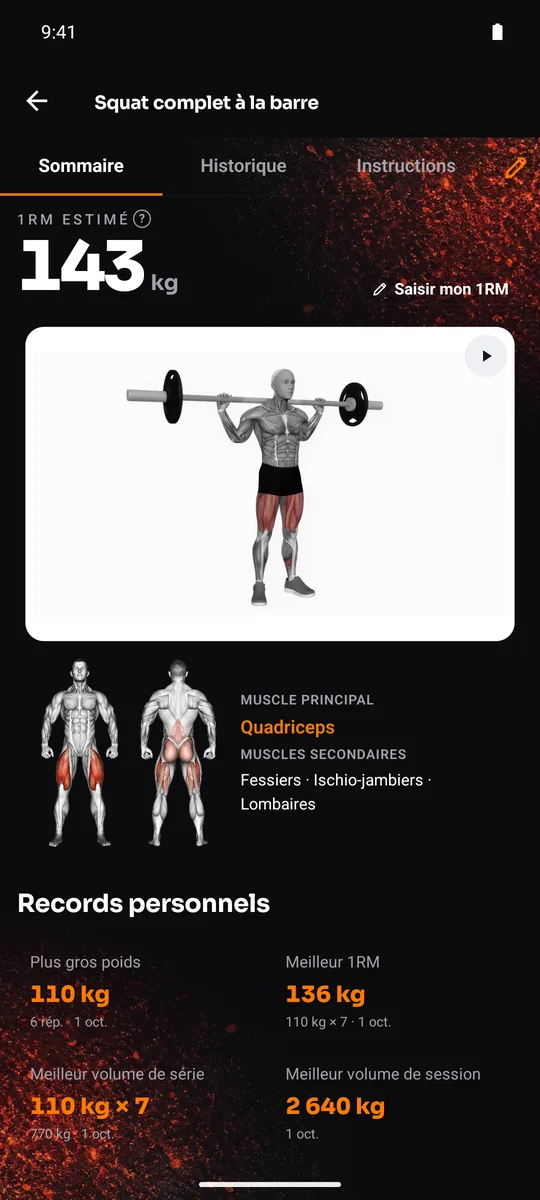
Variations
The same movement with different equipment, grip or angle.
Alternate leg raiseBodyweightunilateral
- Lie down on your back with your arms resting on the floor by your side.
- Raise your legs straight in the air, making a 90-degree angle with your torso.
- Lower one of your legs and bring it back just before touching the floor.
- Do the same with your other leg, and repeat.
Tips
- Keep your core engaged throughout the exercise to maintain stability and protect your lower back.
- Perform the movement slowly and with control to maximize muscle activation and prevent injury.
- Breathe steadily, exhaling as you lift your leg and inhaling as you lower it back down.
Alternate leg raise from reverse plank positionBodyweightunilateral
- Lie down on your hips with your arms resting on the floor by your side and your legs extended forward.
- Raise your upper back, bring your elbows under the shoulders, and bear weight on your forearms with your palms down.
- Alternately raise and lower your legs to your maximum range while keeping them straight.
Tips
- Focus on maintaining a straight line with your body, avoiding any sagging or arching of the back.
- Perform the movement slowly and with control to maximize muscle activation and prevent injury.
- Breathe steadily, exhaling as you lift your leg and inhaling as you lower it back down.
Alternate leg raise with head upBodyweightunilateral
- Lie down on your back with your arms resting on the floor by your side.
- Raise your head and upper back off the floor, and lift your legs straight in the air, making a 90-degree angle with your torso.
- Lower one of your legs and bring it back just before touching the floor.
- Do the same with your other leg, and repeat.
Tips
- Keep your core engaged throughout the exercise to maintain stability and protect your lower back.
- Perform the movement slowly and with control to maximize muscle activation and prevent injury.
- Maintain a steady breathing pattern, exhaling as you lift your leg and inhaling as you lower it back down.
Alternate lying floor leg raiseBodyweightunilateral
- Lie on your back with your legs extended straight and your arms resting by your sides.
- Lift both legs, straight towards the ceiling until they go past your hips.
- Lower your legs halfway down, then lift them back up towards the ceiling.
- Lower your legs back down to the initial position. Repeat the movement.
Tips
- Focus on keeping your upper back pressed into the mat to avoid arching and straining your spine.
- Use your breath to guide the movement: inhale as you lift your legs and exhale as you lower them.
- Engage your thigh muscles to assist with the lift and ensure proper form.
Alternate toe tap leg liftBodyweightunilateral
- Lie down on your back with your knees bent and feet on the floor.
- Raise your torso off the floor by placing your elbows on the floor and raise one of your knees toward the chest while keeping your knee bent.
- Lower your foot back to the floor while raising your other knee towards your chest.
- Keep repeating by alternately moving your knees towards and away from the chest.
Tips
- Keep your core engaged throughout the exercise to maintain stability and protect your lower back.
- Perform the movement slowly and with control to maximize muscle activation and prevent injury.
- Focus on maintaining the bend in your knees and tapping the floor lightly to ensure proper form.
Captains chair leg raiseBodyweight
- Stand on the platform of the captain's chair and place your forearms on the arm pads, gripping the handles for stability. Allow your legs to hang straight down.
- Engage your core and keep your back pressed against the back pad.
- Raise your legs, knees first, up in front of you until your thighs are parallel to the floor and your feet are slightly forward.
- Slowly lower your knees back to the starting position with control. Repeat for the desired number of repetitions.
Tips
- Exhale as you raise your knees and inhale as you lower them back down.
- Avoid using momentum; the movement should be controlled and deliberate.
- Focus on engaging your core muscles throughout the movement.
Captains chair straight leg raiseBodyweight
- Stand on the platform of the captain's chair and place your forearms on the arm pads, gripping the handles for stability. Allow your legs to hang straight down.
- Engage your core and keep your back pressed against the back pad.
- Raise your legs straight up in front of you until they are parallel to the floor, keeping them as straight as possible.
- Slowly lower your legs back to the starting position with control. Repeat for the desired number of repetitions.
Tips
- Keep your back pressed against the back pad to prevent swinging and maintain proper form.
- Avoid using momentum; the movement should be controlled and deliberate.
- Exhale as you raise your legs and inhale as you lower them back down.
Criss cross leg raisesBodyweight
- Begin by lying flat on your back with your legs extended straight out and your arms resting by your sides or under your lower back for support. Engage your core and lift both legs slightly off the floor.
- Start crisscrossing your legs in a scissor motion, crossing your right leg over your left and then your left leg over your right.
- Gradually move your legs upward while continuing to crisscross until they form a 45-degree angle with your torso. Then, lower them back down to just above the floor, maintaining the crisscross motion throughout.
- Repeat the movement for the desired number of repetitions.
Tips
- Keep your core engaged throughout the exercise to maintain stability and support your lower back.
- Focus on using your leg muscles to control the movement, keeping your legs straight and performing the crisscross motion smoothly.
- Ensure your lower back remains pressed into the floor to avoid unnecessary strain.
- Breathe steadily throughout the exercise, exhaling as you move your legs upward and inhaling as you lower them.
Hanging knee raisesBodyweight
- Hang from a pull-up bar with your hands shoulder-width apart, palms facing forward or towards each other. Allow your body to hang straight with your feet off the floor.
- Engage your core and, keeping your legs together, bend your knees and lift them towards your chest.
- Raise your knees as high as comfortably possible, aiming to bring them towards your chest.
- Slowly lower your legs back to the starting position with control. Repeat for the desired number of repetitions.
Tips
- Avoid swinging your body; use controlled movements to lift and lower your legs.
- Focus on steady breathing, exhaling as you lift your knees and inhaling as you lower them.
- Ensure your grip on the bar is secure to prevent slipping.
Hanging leg raiseBodyweight
- Suspends-toi à une barre de traction, les mains à la largeur des épaules, les jambes tendues et le corps immobile.
- Monte les jambes tendues devant toi, en enroulant le bassin, jusqu'à ce qu'elles soient au moins à l'horizontale.
- Marque un temps en haut, puis redescends lentement sans balancer.
- Répète le nombre de répétitions voulu.
Tips
- Aucun balancement : si le corps oscille, arrête et stabilise-toi.
- Pense à enrouler le bassin en haut, c'est là que les abdos travaillent.
- Version facile : genoux fléchis (relevé de genoux).
Leg raises (straight legs)Bodyweight
- Position yourself on a captain's chair, supporting your body weight with your forearms on the arm pads and your back against the backrest. Let your legs hang straight down.
- Engage your core and keep your legs straight. Lift both legs together while keeping them straight.
- Raise your legs until they are parallel to the floor or as high as you can comfortably go, maintaining control throughout the movement.
- Slowly lower your legs back down to the starting position without swinging. Repeat for the desired number of repetitions.
Tips
- Avoid swinging your legs or using momentum; focus on controlled movements to maximize muscle engagement and prevent injury.
- Breathe steadily, exhaling as you lift your legs and inhaling as you lower them.
- Ensure your arms and shoulders remain stable to support your body weight effectively.
Common questions
Which muscles does this exercise work?
The main muscle is the abs. It also works the lower back.
Do I need equipment?
No, it uses your own body weight.
What variations are there?
Alternate leg raise, Alternate leg raise from reverse plank position, Alternate leg raise with head up, Alternate lying floor leg raise, Alternate toe tap leg lift, Captains chair leg raise, Captains chair straight leg raise, Criss cross leg raises, Hanging knee raises, Hanging leg raise, Leg raises (straight legs).